
Compare

View the specifications of our glasses
Polarized or non-polarized lenses
Choosing the right lens for sports glasses is a technical consideration where functional safety always takes precedence over aesthetics. At Sunday Shades, we design our glasses with the specific needs of the athlete in mind. One of the most frequently asked questions is why our high-performance sports models are often deliberately not equipped with polarized lenses.
Below, we explain why this is a technical choice and when polarization does offer added value.
The science behind depth perception and sports
Polarized lenses are fantastic at eliminating horizontal glare (such as the reflection of the sun on a wet road or the water's surface). However, this filter has a side effect that can be detrimental in explosive or technical sports: it flattens the contrast and visual feedback from the terrain.
1. Perception of depth and texture
When cycling at high speed, running on unpaved paths, or playing a ball sport, your brain is constantly processing small shadows and light reflections. These reflections tell you where a pothole is, how deep a track is, or how the texture of the ground changes.
Without polarization: You see the natural variations in light incidence, allowing depth differences (such as roots, stones, or unevenness) to remain immediately recognizable.
With polarization: The image becomes "calmer" but also "flatter." This makes it harder to assess depth differences quickly, increasing the risk of missteps or steering errors.
2. Reading digital screens
Many athletes use cycling computers, sports watches, or navigation systems. The filter in polarized lenses can interfere with the LCD screens of these devices, making the screen appear black or displaying a rainbow effect at certain angles. In our true sports models, we prevent this problem by opting for high-quality, non-polarized lenses with optimal contrast.
Why some models are polarized
Does this mean polarization is always bad? Absolutely not. In our lifestyle-oriented collections and specific water sports models, we do use it.
| Situation | Why polarized? |
| Water sports & Fishing | The filter "looks" through the glare of the water's surface, which is essential for underwater vision. |
| Driving | It reduces tiring glare on the dashboard and the road. |
| Casual use | It provides a calmer image and maximum visual comfort during a walk or on a terrace. |
Compare our models
Which glasses suit you best? Here you'll find the most information about our models and lenses
 |
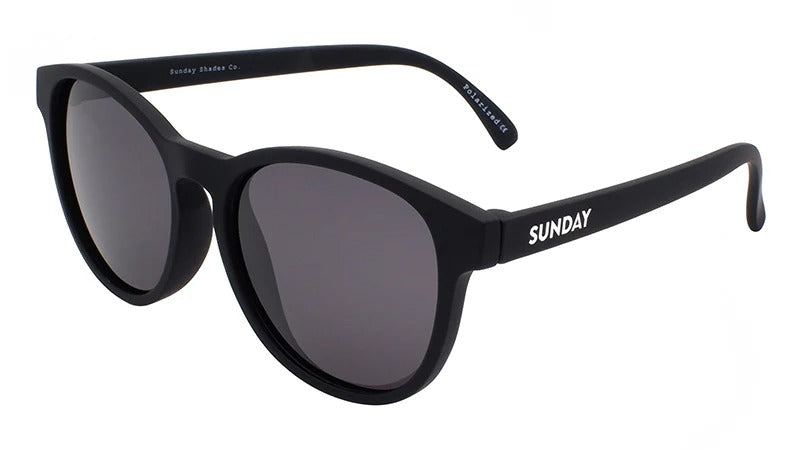 |
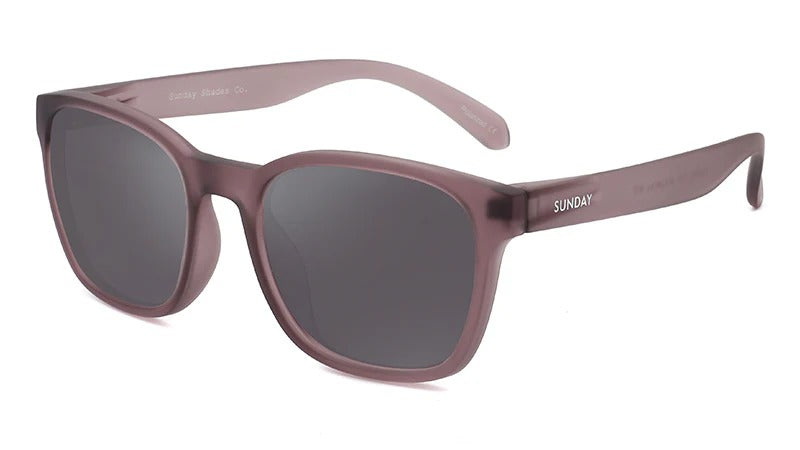 |
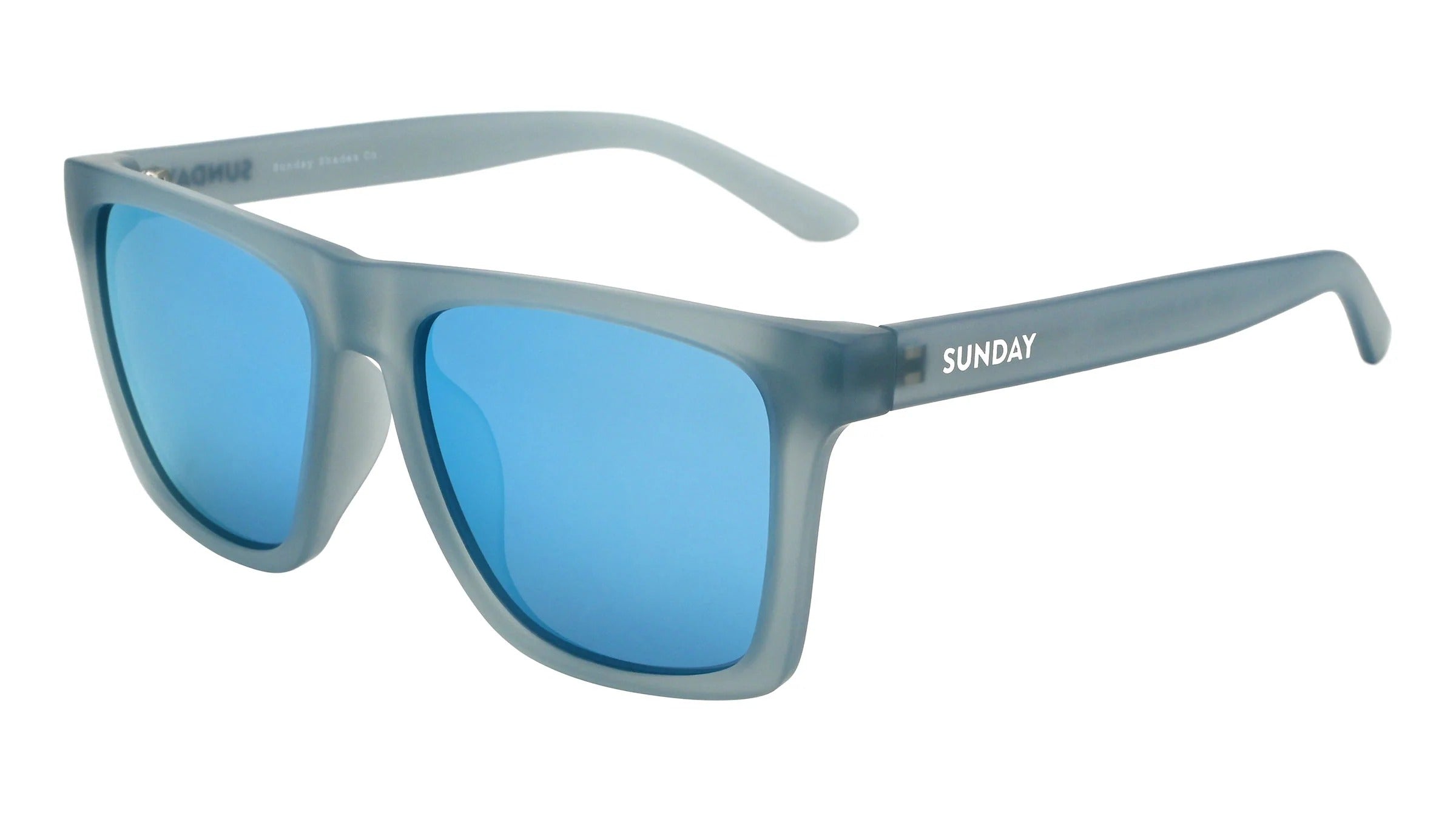 |
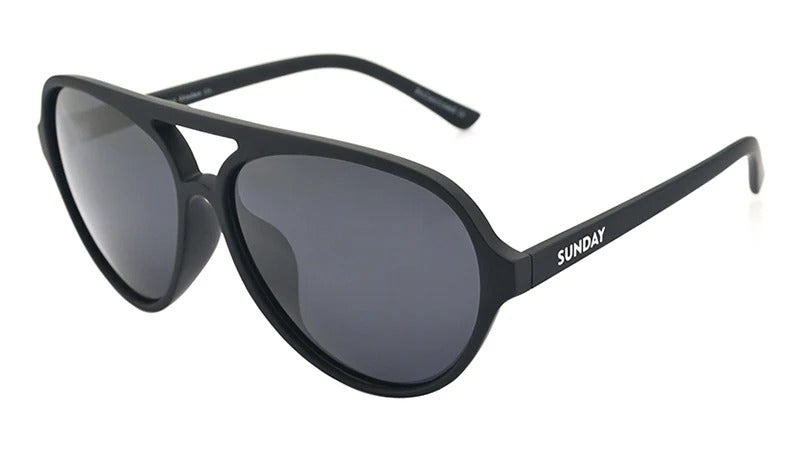 |
 |
|
|---|---|---|---|---|---|---|
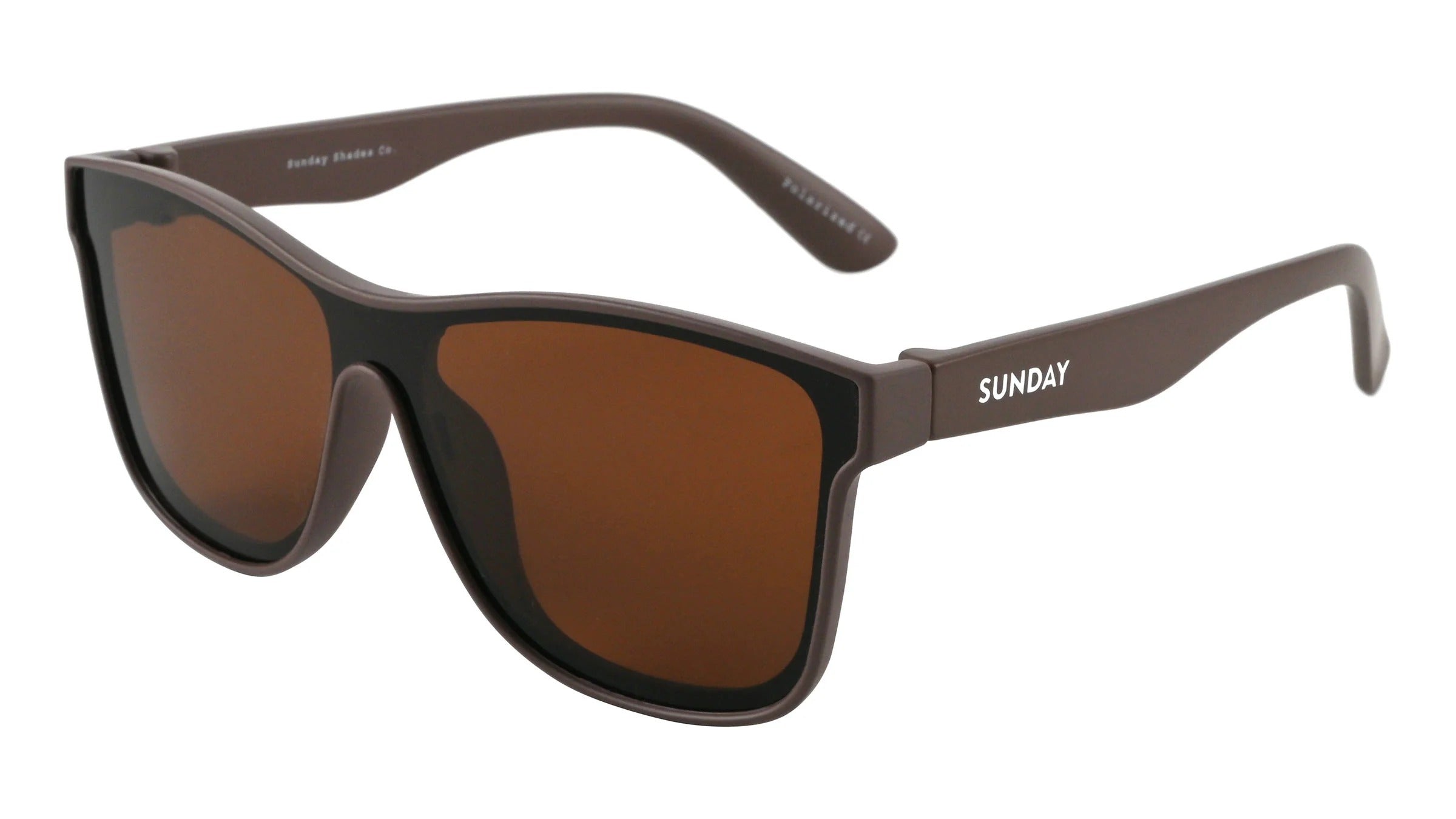
| Serie | Classic | Surge | Tempo | Coast | Cockpit | Flare |
| Gepolariseerd | Ja | Ja | Ja | Ja | Ja | Ja |
| Gewicht | 23 gram | 20 gram | 22 gram | 26 gram | 22 gram | 24 gram |
| Lensbreedte | 53 mm | 52.8 mm | 60 mm | 55 mm | 57.7 mm | 55.5 mm |
| Lenshoogte | 42 mm | 46.5 mm | 43.5 mm | 47 mm | 51 mm | 49 mm |
| Diepte | 145 mm | 139 mm | 145 mm | 143 mm | 143 mm | 147.7 mm |
| Breedte | 142 mm | 142.5 mm | 138 mm | 147 mm | 143.5 mm | 135.5 mm |
 |
 |
 |
 | |
|---|---|---|---|---|
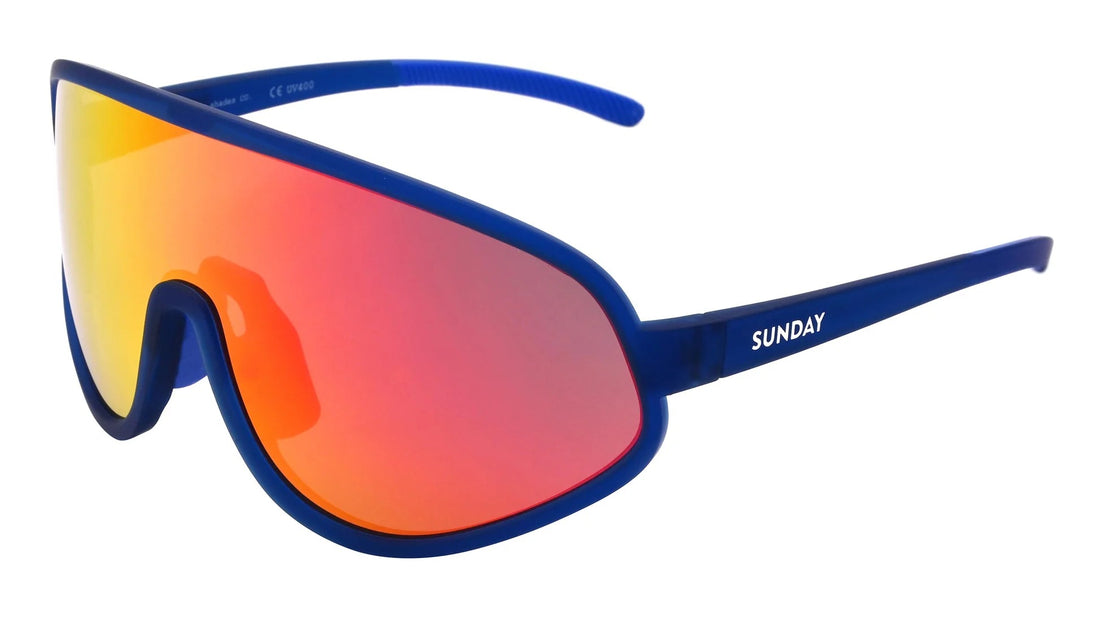
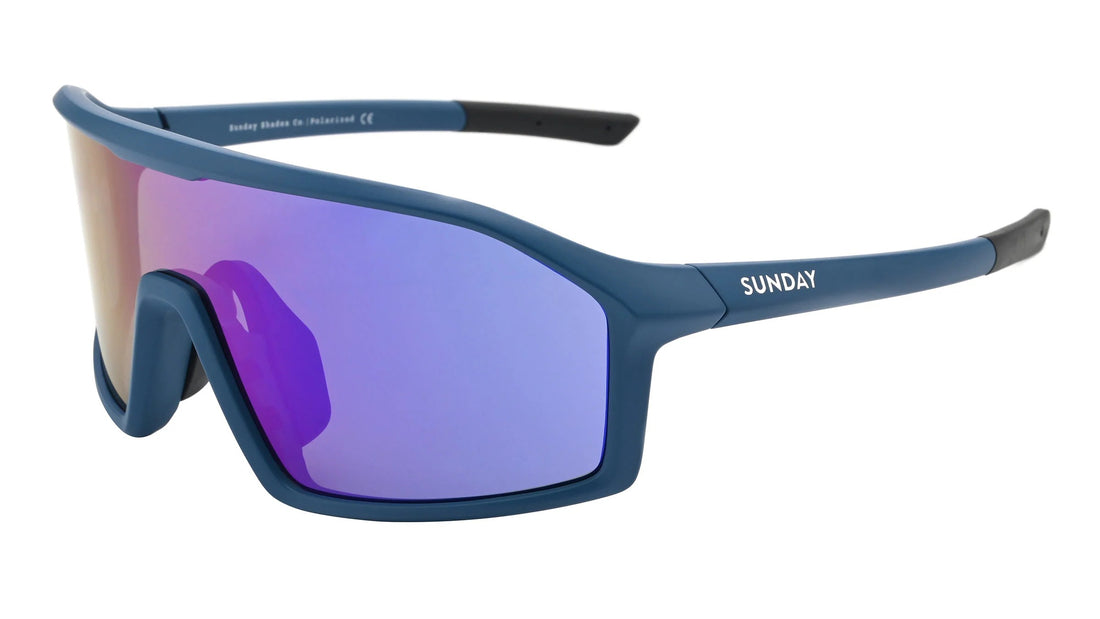
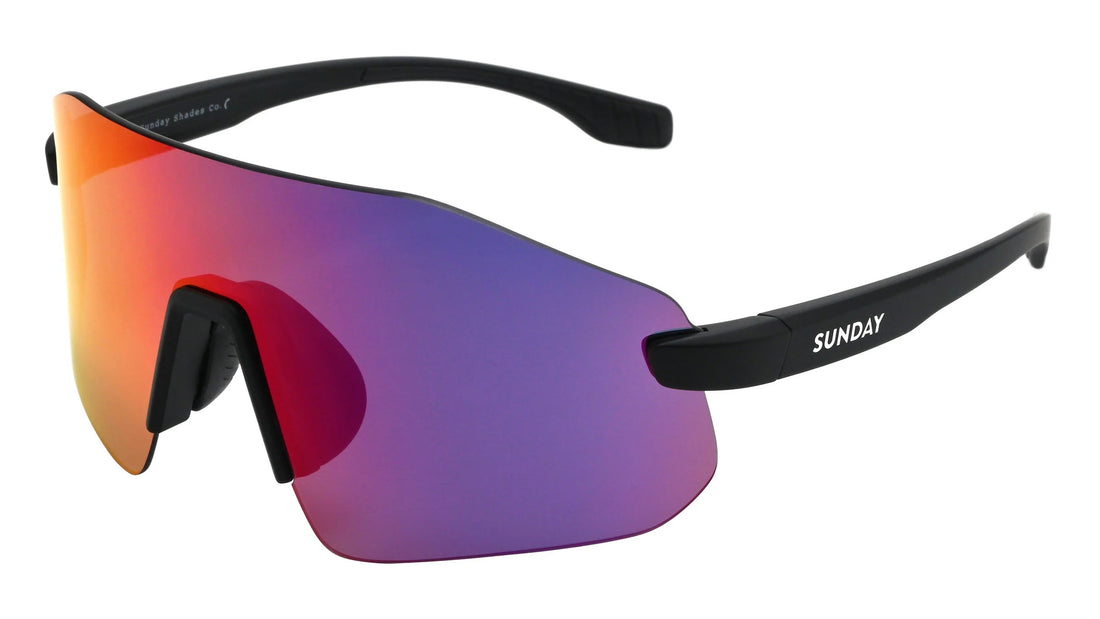
| Serie | Blaze | Pace | Max | Volt |
| Gepolariseerd | Nee | Nee | Nee | Nee |
| Anti-reflectie | Ja | Ja | Ja | Ja |
| Gewicht | 32 gram | 28 gram | 36.6 gram | 25 gram |
| Frame | Half frame | Full frame | Full frame | No frame |
| Lenshoogte | 55 mm | 60 mm | 50 mm | 58 mm |
| Diepte | 133 mm | 132 mm | 122 mm | 133 mm |
| Breedte | 145 mm | 144 mm | 145 mm | 150 mm |